
THE ALBANIAN COASTLINE
Stretching approximately 316 km along the Adriatic and Ionian Seas, the Albanian coast is one of the country’s most treasured natural attractions, offering a unique combination of Mediterranean landscapes and beautiful beaches.
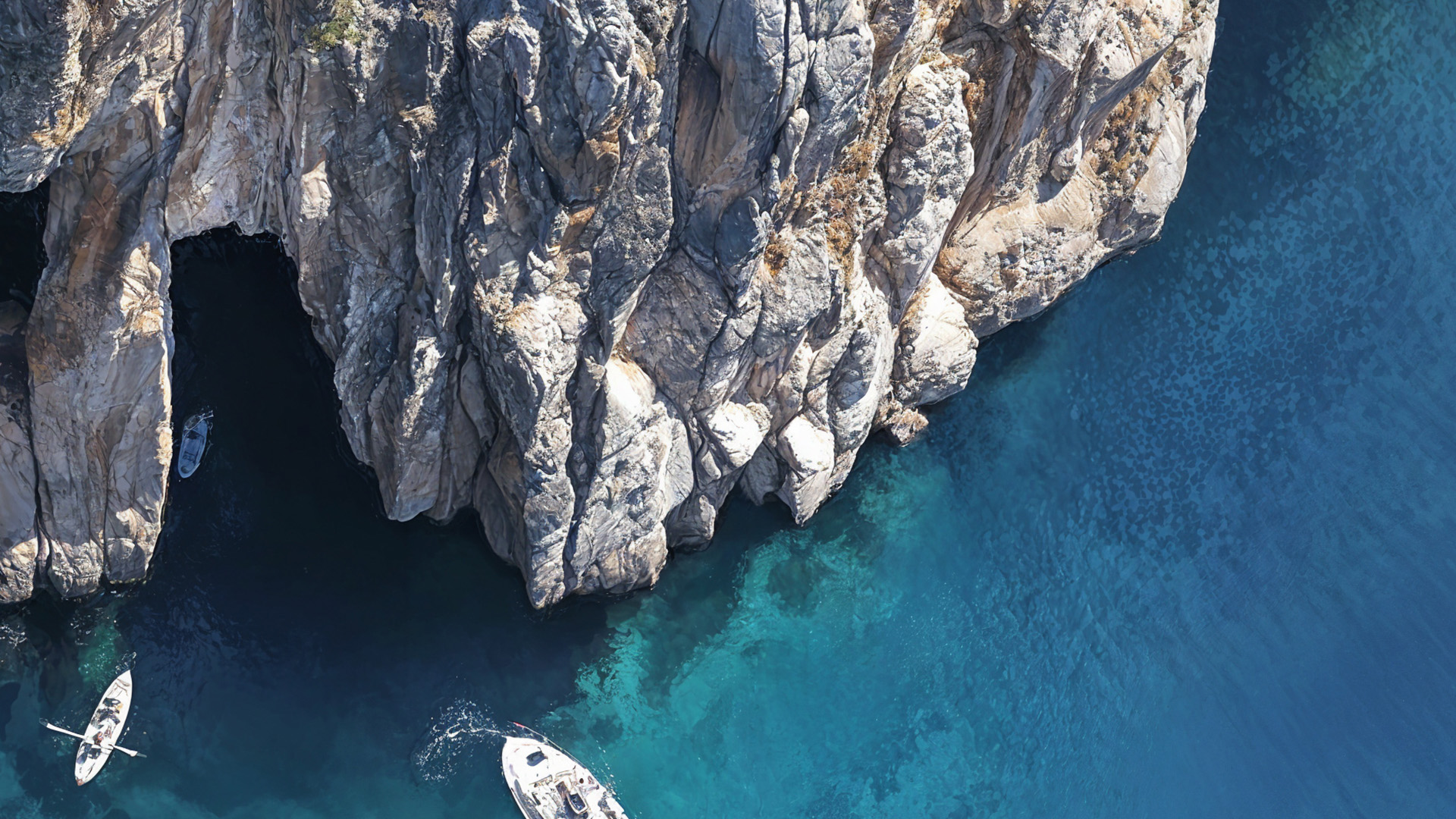
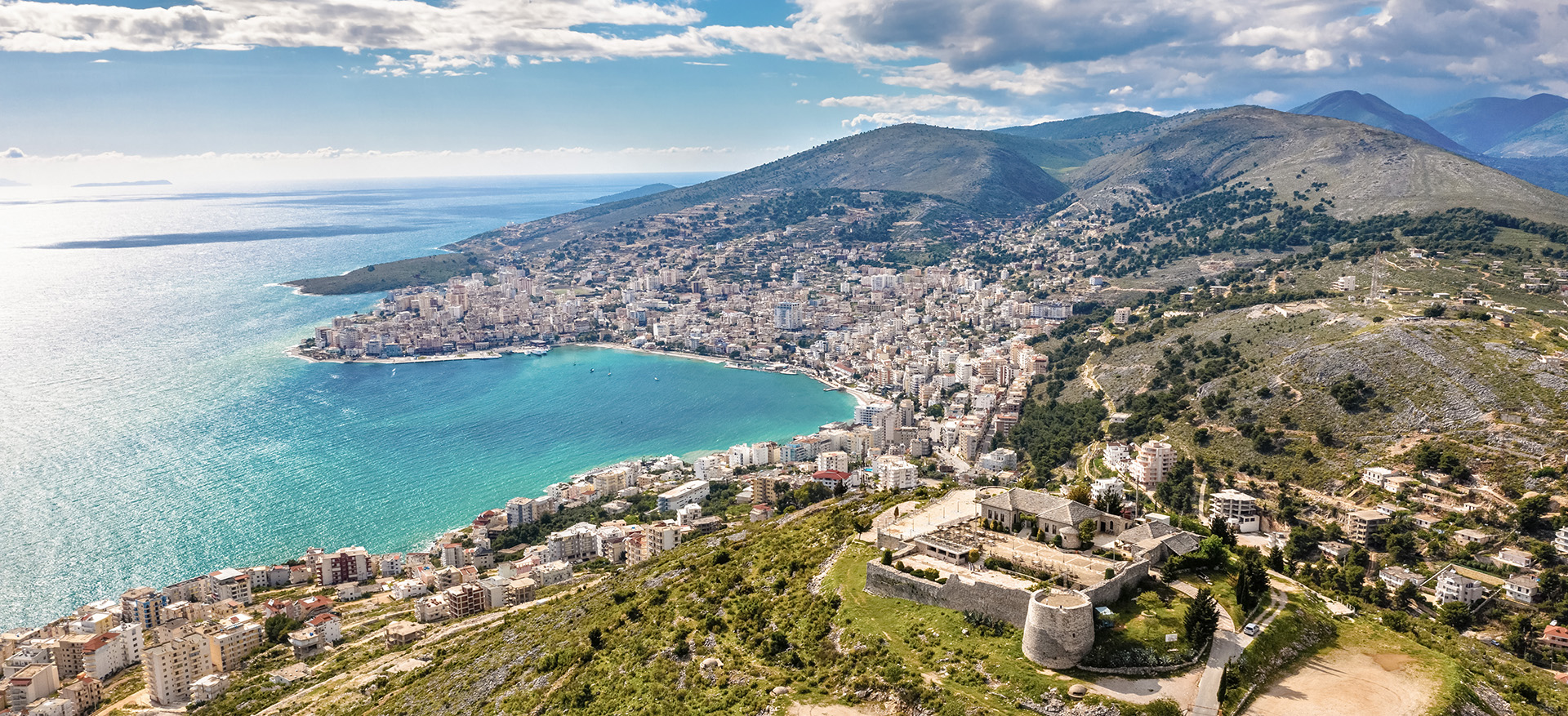
The Adriatic coast, from Velipojë to Vlorë, is known for its wide sandy beaches, shallow waters, and natural lagoons, creating ideal conditions for family holidays and outdoor activities. The Ionian coast, from Vlorë to Sarandë and Ksamil, is distinguished for its crystal-clear waters, picturesque bays, white-pebble beaches, and mountains that descend towards the sea.
ALBANIA
Located in Southeastern Europe, in the western part of the Balkan Peninsula, Albania borders the Adriatic and Ionian Seas, offering a unique combination of Mediterranean charm, natural beauty, rich history, and cultural heritage.
With an area of 28 748 km² and a population of 2 402 113 (2023 Census), the country has a population density of 83.6 inhabitants per km². The capital is Tirana, the official language is Albanian, and the country holds candidate status for membership in the European Union. Albania is also home to 21 460 foreign nationals, 48% of whom reside in the country for employment purposes.
With over 1 700 cultural monuments, approximately 700 mosques, 130 mausoleums, and 800 churches, Albania reflects a rich historical heritage and a long tradition of religious coexistence. Enjoying more than 300 days of sunshine a year, the country invites visitors to discover authentic experiences throughout the year, from its beautiful coastline and the Albanian Alps to historic cities and centuries-old traditions.
THE ALBANIAN RIVIERA
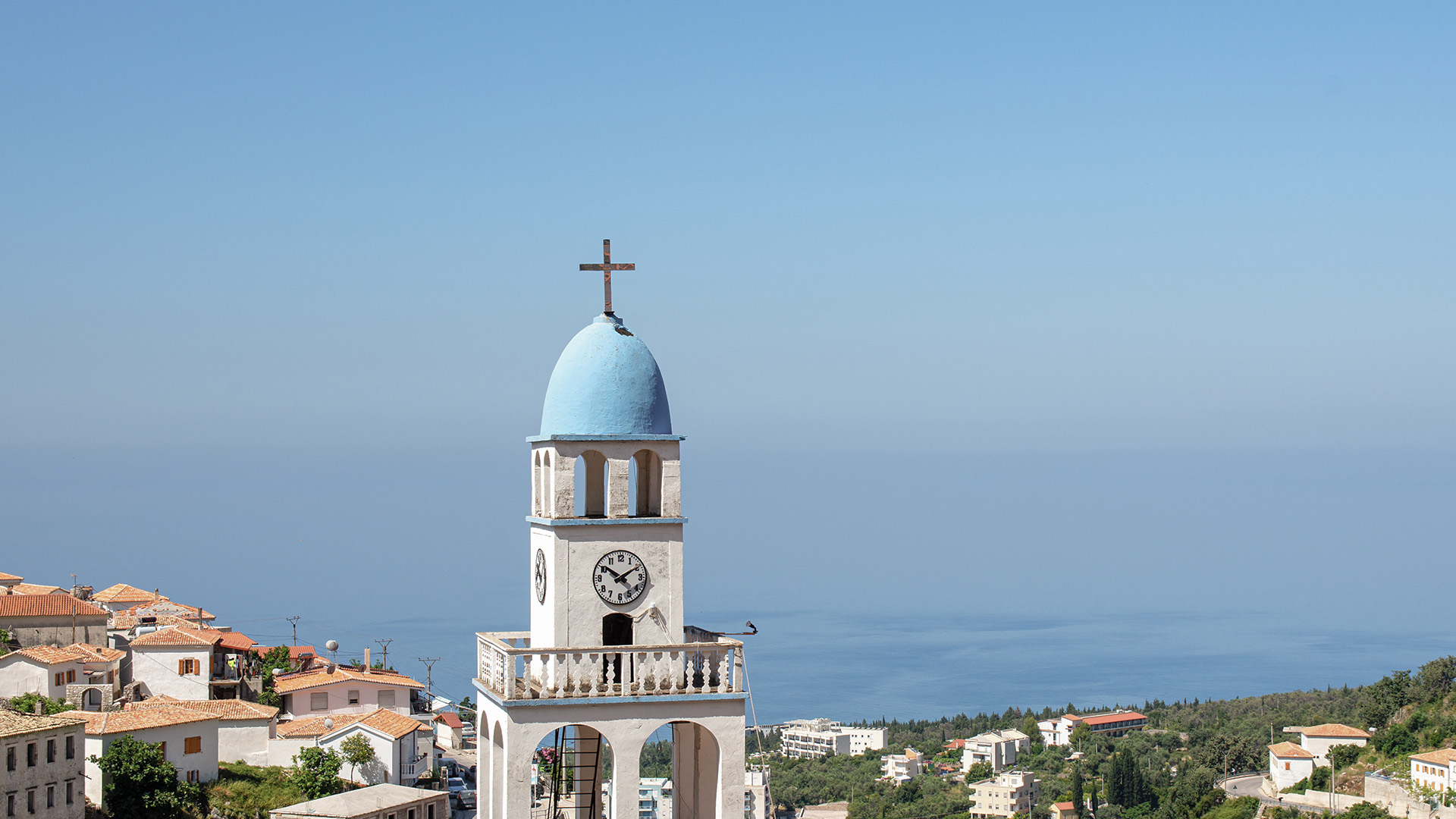
The Albanian Riviera stretches along the Ionian Sea in southern Albania and is one of the country’s most important tourist destinations. Covering approximately 120 km of coastline, the region is known for its crystal-clear waters, picturesque bays, white-pebble beaches, and mountainous landscapes.
From Palasë and Dhërmi to Himarë, Qeparo, Borsh, Sarandë, and Ksamil, the Riviera offers a wide variety of destinations. Grama Bay, Kakome Bay, and Gjipe Beach are among its most remarkable attractions, known for their stunning scenery and visited by thousands of local and international tourists every year.
Its natural beauty, growing tourism, and development potential make the Albanian Riviera a region with significant opportunities for year-round tourism and investment.
UNESCO HERITAGE
BUTRINT NATIONAL PARK
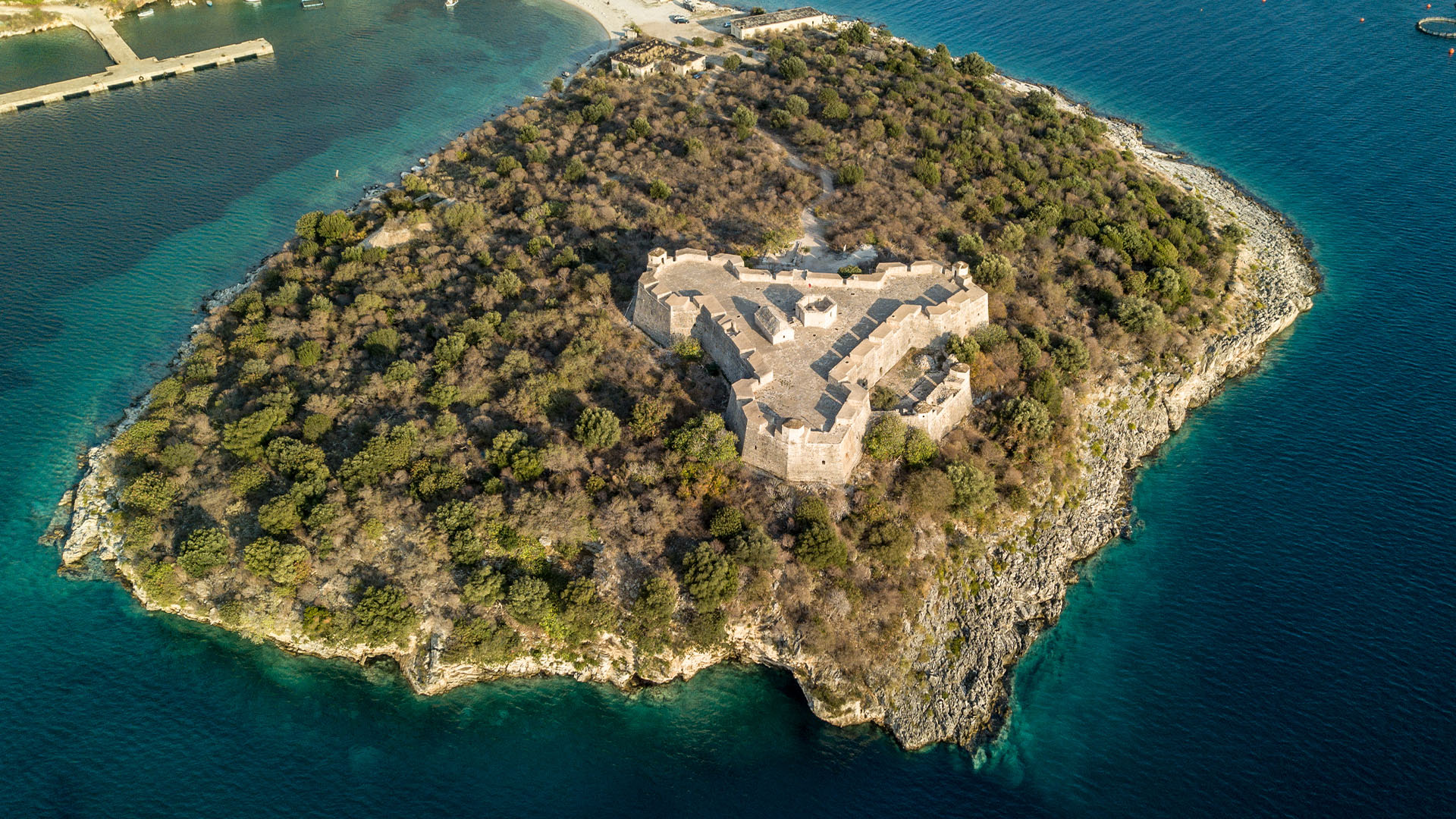
Butrint National Park is one of Albania’s most significant archaeological and historical landmarks and is recognized as a UNESCO World Heritage Site. Its rich historical layers reflect Illyrian, Greek, Roman, and Byzantine influences, offering a fascinating glimpse into more than two thousand years of history. The park features remarkable monuments, including the ancient theatre, baptistery, basilica, and fortifications, each bearing witness to the city’s evolution through the centuries.

GJIROKASTRA MUSEUM CITY
Recognized as a UNESCO World Heritage Site, Gjirokastër is a historic city renowned for its distinctive stone tower houses and centuries-old urban architecture. Its rich cultural heritage, enduring traditions, and unique identity make it an important landmark of Albanian history and culture.
BERAT MUSEUM CITY
One of Albania’s most remarkable historic cities and a UNESCO World Heritage Site, Berat is widely known as the “City of a Thousand Windows.” Its distinctive architecture, with traditional houses rising in terraces along the hillside, creates a unique cityscape. The historic neighbourhoods and beautifully preserved buildings reflect centuries of tradition, architectural harmony, and cultural identity.
ISO POLYPHONY
Albanian iso-polyphony is a unique form of traditional multipart singing, passed down through generations in the communities of southern Albania. Recognized by UNESCO as part of the Intangible Cultural Heritage of Humanity, this musical tradition embodies collective memory, distinctive rhythms, and vocal harmonies that form an essential part of Albania’s cultural identity.

ALBANIAN XHUBLETA
The xhubleta is a centuries-old traditional garment worn by women in northern Albania, distinguished by its unique bell-shaped silhouette, intricate craftsmanship, and symbolic decorations. Recognized by UNESCO as an element of intangible cultural heritage, it is considered an important testament to Albanian identity and traditional craftsmanship.
WHY TO INVEST IN ALBANIA?
Investing in Albania offers a range of advantages, supported by the country’s economic development prospects and its ongoing European Union integration process. This process is expected to create new opportunities for increased foreign investment, economic growth, and rising property values. Albania’s strategic location provides access to key European and Balkan markets. Meanwhile, ongoing infrastructure investments, including new international airports and major road projects, are helping to improve the country’s connectivity within the region and beyond. Steady economic growth and the development of the tourism sector are creating new investment opportunities, particularly in holiday homes and hospitality. Albania’s real estate market remains competitive in terms of property prices compared to many other European countries. Additional advantages include low property taxes and the absence of additional fees for second homes. Furthermore, growing demand for residential properties and office spaces offers potential for rental income and favorable returns on investment.

| EU Integration within 5 years | Strategic Location Access to major markets in Europe and the Balkans Proximity to European Union |
| Economic Growth GDP 2025: 3.5-4% increase | Infrastructure Development Llogara Tunel Vlora International Airport Vlora Bypass Vlora Marina |
| Tourist Boom 2025 12.5 mln 2026 expected 5-10% increase | Affordability Affordable cost of living Lowest property taxes in EU 0 tax for second property |
| Rental Income Potential 7-12% ROI | |

